
Best Eye Cataract Operation Clinic

Cataract ( Motibindu ) Treatment in India

Cataract Eye Operation: Causes, Diagnosis, Lens Removal, and Recovery

Cataract (Motibindu) occurs when the natural lens of the eye becomes cloudy, causing blurred or reduced vision. It usually develops with age, but it can also occur due to diabetes, eye injury, long-term steroid use, or other eye conditions. When cataract progresses, it can affect everyday activities such as reading, driving, and recognizing faces.

At Nandadeep Eye Hospital, we provide advanced cataract treatment using modern surgical techniques and precision technology. Depending on the patient’s eye condition and visual needs, cataract can be treated with Femto Laser Assisted Cataract Surgery (Robotic Cataract Surgery) or Phacoemulsification Cataract Surgery.

Femto Laser Assisted Cataract Surgery (Robotic Cataract Surgery)

Femto Laser Assisted Cataract Surgery is one of the most advanced and precise cataract treatment options available today. It is often referred to as Robotic Cataract Surgery because several important steps of the procedure are performed using a highly precise femtosecond laser guided by advanced imaging technology.

In this technique, the laser performs critical steps such as creating the corneal incision, opening the lens capsule, and softening the cataract before removal. Because these steps are laser-guided, the procedure becomes more accurate and controlled compared to conventional methods.

The use of femtosecond laser technology reduces the amount of ultrasound energy needed inside the eye and minimizes stress on delicate eye structures. This leads to a safer procedure, improved precision, and faster recovery for patients.

Advantages of Femto Laser Cataract Surgery:

Bladeless femto laser cataract eye surgery is a revolutionary procedure that has transformed the way cataracts are treated. In India, this advanced technology offers a safer, more precise, and much less invasive alternative to traditional cataract eye surgery. The procedure involves using a femtosecond laser to perform several critical steps of cataract operation, resulting in improved outcomes and faster recovery times.

Higher surgical accuracy and safety

Reduced energy used inside the eye

Better alignment and placement of intraocular lenses (IOL)

Less stress on the eye during surgery

Computer-guided laser precision

Phacoemulsification Cataract Surgery

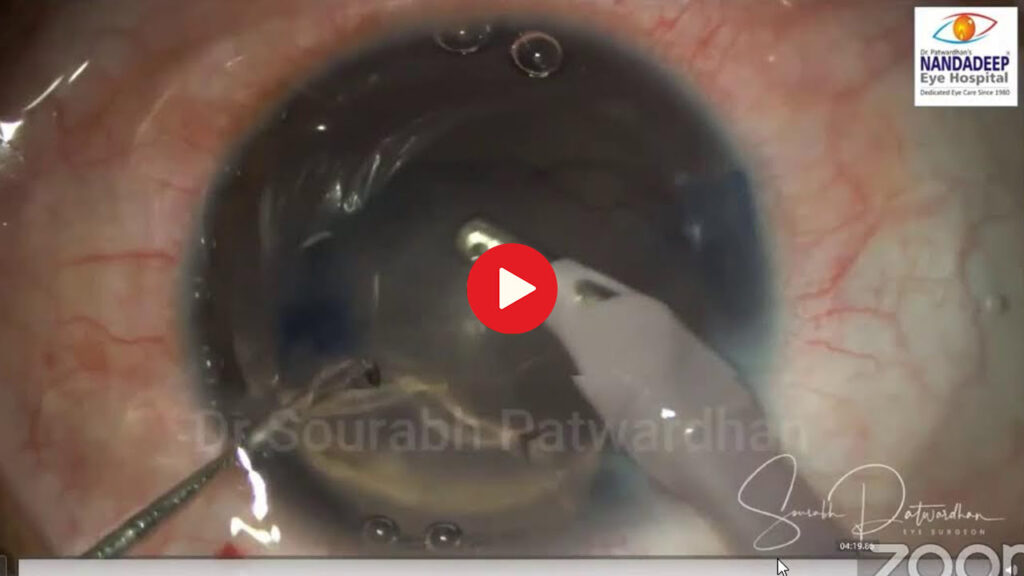
Phacoemulsification is the most commonly performed cataract surgery technique and has been widely used for many years. In this procedure, a small incision is made in the eye, and an ultrasound probe is used to break the cloudy cataract lens into tiny fragments. These fragments are then removed, and a clear artificial intraocular lens (IOL) is implanted to restore vision.

Phaco surgery is considered a safe and effective method for cataract removal and provides good visual results for most patients.

Advantages of Phacoemulsification Surgery:

Minimally invasive procedure

Small incision surgery

Short surgical time

Reliable and widely used technique

Good visual outcomes

However, compared to Femto Laser Assisted Cataract Surgery, phaco surgery involves more manual steps and typically requires more ultrasound energy during the procedure.

At Nandadeep Eye Hospital, both techniques are available, and our specialists recommend the most suitable option based on each patient’s eye condition, lifestyle needs, and vision expectations.

Anesthesia Cataract

Anesthesia

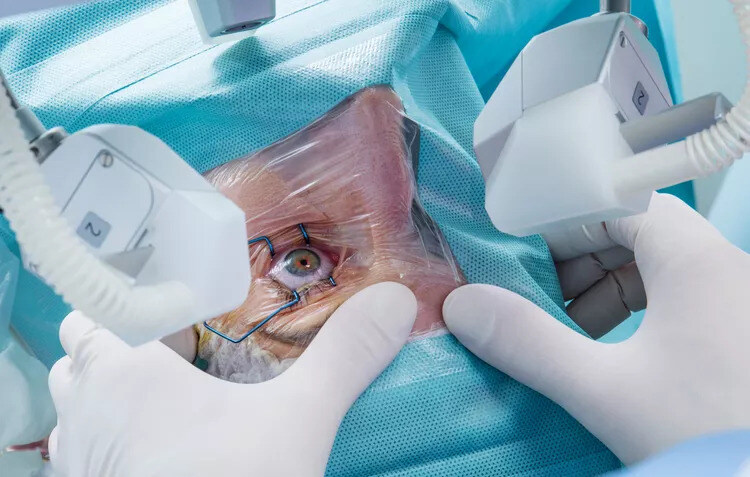
Anesthesia eye surgery is a medical procedure where an anesthesia drug is administered to the patient’s eye, usually through intravenous or oral medication. Local anesthesia is administered to numb the eye, ensuring patient comfort throughout the procedure.

Lens Removal Treatment Cataract

Lens Removal

The surgeon makes a small incision in the eye and uses advanced techniques, such as phacoemulsification or laser-assisted surgery, to break up and remove the cloudy lens.
Cataract Motibindu diagnosis

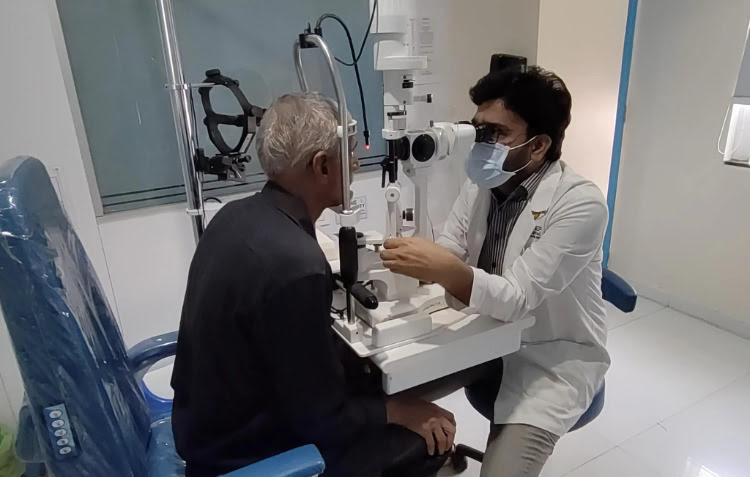
Cataract ( Motibindu ) diagnosis

Leveraging advanced diagnostic technologies such as slit-lamp examination, optical coherence tomography (OCT), and specular microscopy, our expert ophthalmologists meticulously assess the extent and impact of cataracts on the patient’s vision.
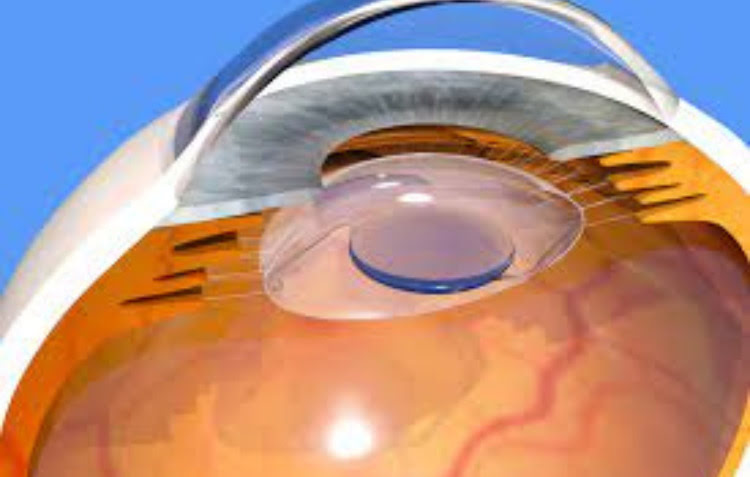
Artificial Lens Implantation

Artificial Lens Implantation

Once the natural lens is removed, an artificial intraocular lens (IOL) is implanted in its place. The IOL is selected based on the patient’s specific visual needs, such as distance or near vision, and any pre-existing eye conditions.
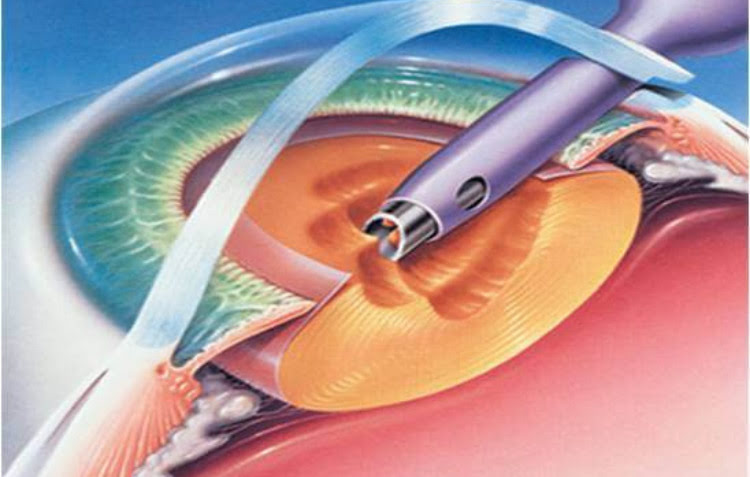
Stitchless Closure Cataract Eye

Stitchless Closure

In most cases, the incision is self-sealing and does not require stitches, promoting faster healing and reducing the risk of complications.
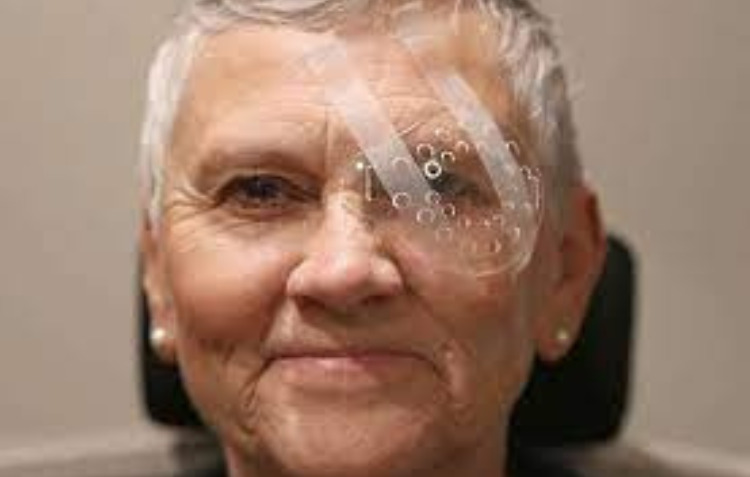
Recovery cataract surgery

Recovery

Patients typically experience rapid visual recovery after cataract surgery, with many noticing improvements in vision within a few days. While some discomfort or mild blurriness may occur initially, most patients can resume normal activities shortly after surgery.

Expert Cataract ( Motibindu ) Eye Specialists

Frequently Asked Questions

How do I know if I need cataract surgery?
If you are facing symptoms such as blurred vision, sensitivity to light or difficulty in carrying out daily activities, it is advisable to consult an eye care professional immediately. A comprehensive eye examination can help determine the presence of cataracts and whether or not surgery is a suitable solution for your vision concerns.
How long is the recovery period after cataract surgery?
The recovery period after cataract surgery is usually brief. Within a few days, most patients can get back to their regular activities, and full recovery generally takes a few weeks. To ensure optimal healing, it’s crucial to follow the post-operative care instructions and attend scheduled follow-up appointments.
What is most effective treatment for cataracts in the eye?
Cataracts in the eye can be effectively treated through surgical intervention. During cataract operation, the cloudy natural lens is removed and replaced with an artificial intraocular lens (IOL). This surgical procedure is highly successful and offers a permanent solution to restore clear vision.
Is cataract surgery a painful procedure?
Cataract surgery is typically painless as it is carried out under local anaesthesia, ensuring that you remain comfortable during the entire operation. Although a few patients may experience mild discomfort or itching following the surgery, this is usually temporary and can be easily managed by taking prescribed medications.
Which foods should be avoided after cataract surgery?
After undergoing cataract surgery, it is advisable to avoid consuming spicy and highly salty foods, as well as those high in sugar. This will help to support the healing process and minimize potential complications. It is also recommended to limit the intake of citrus fruits and juices, as they may cause discomfort due to their acidic nature. Alcohol consumption should generally be avoided due to its blood-thinning effects.
What is the cataract treatment cost & does insurance
cover it?
The cost of cataract surgery can vary based on factors such as the type of intraocular lens that is chosen and the surgical facility where the procedure is performed. However, many health insurance plans do cover cataract surgery as it is considered to be medically necessary. It is recommended that you check with your insurance provider for specific details regarding your coverage.
What Is Cataract ( Motibindu ) ?
Cataract, known as “Motibindu” in some regions, is a common eye condition characterized by the clouding of the natural lens in the eye. The lens, which is normally clear, becomes cloudy over time, leading to blurred or dim vision. Cataracts can develop slowly and progressively worsen vision, making daily tasks such as reading, driving, or recognizing faces more difficult.
What are the common cataract symptoms?

Common symptoms of cataracts include:

  • Blurry or cloudy vision
  • Increased sensitivity to glare, especially at night
  • Difficulty seeing clearly in dim or low-light conditions
  • Fading or yellowing of colors
  • Double vision in one eye
  • Frequent changes in eyeglass prescription
What Causes Cataract ( Motibindu )?
Cataracts develop when the proteins in the lens of the eye clump together, causing cloudiness and interfering with vision. While the exact cause of cataracts isn’t always clear, there are several factors that can contribute to their development. These include aging, Ultraviolet (UV) Radiation, certain medical conditions, such as diabetes, hypertension, and obesity, smoking, alcohol, genetics, eye Injury or accident, long-term use of certain medications and poor nutrition

Our Patients Trust Us !

Patients really appreciate the way they get professional eye treatment and care at Nandadeep without any hassle.


Nandadeep Eye Hospital place picture
4.9
Based on 12108 reviews
powered by Google
Shashikant Todkar profile pictureShashikant Todkar
06:35 04 Apr 24
Good service
Sandhya Bartakke profile pictureSandhya Bartakke
06:21 04 Apr 24
Good
ravilal patel profile pictureravilal patel
05:58 04 Apr 24
Good hospital n service
namdev lohar profile picturenamdev lohar
12:58 03 Apr 24
Sagar Patil profile pictureSagar Patil
11:20 03 Apr 24
Raju Mulani profile pictureRaju Mulani
08:52 07 Feb 24
Very good faculties and cooperative halping nature staff
Shrishail Belanke profile pictureShrishail Belanke
11:06 03 Feb 24
Overall great and quick service.
We met Dr Sachin Desai, feel like he is genuine as person because he explains the problem as it is.
They can be applied overhead charges /scanning/ Report as other hospital alway do but here they cant did, which i feel very happy.

Recommend

Shivkumar Dhere profile pictureShivkumar Dhere
06:06 02 Feb 24
Thank you so much for taking time out to give us a review. We are glad you liked our service (DL)

Sangram Jathar profile pictureSangram Jathar
10:19 29 Jan 24
Great service and quick responses. Helpful and caring staff. If in case of emergency or need immediate assistance you can also opt-out for Fastrack service which is slightly higher on price than normal one.

Manisha Raje profile pictureManisha Raje
11:01 26 Jan 24
I m here to get my younger brother treated for retinal detachment. The staff is very humble and i was very comfortable. Especial prakash who was very nice. Good Luck!! ?
Kiran Kamble profile pictureKiran Kamble
12:51 16 Jun 23
All service is very good… Staff behavior is very soft and polite. We are happy with all service. Thank you so much. Keep it up….
Shamsing Rajput profile pictureShamsing Rajput
10:54 16 Jun 23
My wife cataract surgery done in nandadeep hospital. Experience is very good. I will suggest all my friends and family. Thanks to nandadeep hospital staff
Suresh Patil profile pictureSuresh Patil
08:41 10 Jun 23
Staff is very kind and polite. They gives us very good service and helped kindly. Hospital is hygiene maintained.
Amit Lambe profile pictureAmit Lambe
10:01 02 Jun 23
Good experience with staff and all are supportive.
Thank you to Dakshata ji. Full support

Thank you to Seema Singare for well supportive and excellent to counselling work and touching each movement to proceed to complete till the operation.
Gorkshanath Patil profile pictureGorkshanath Patil
06:38 11 Mar 23
It’s good hospital. Staff is supportive and having modern devices to operate the things. Cost we can say little more than other but not much. Cashless process is here for those who holding insurance policy.

Are you tired of blurry vision holding you back?
Take the first step towards clarity and freedom today!