Dyslexia - Symptoms, Diagnosis & Treatment
Dyslexia and Reading Difficulties in Children and Adults
Dyslexia is a learning disorder that affects how a person reads, spells, writes, and processes written language. It can affect both children and adults and is often associated with difficulties in recognising words, connecting letters with sounds, and reading fluently.
Dyslexia is a lifelong neurodevelopmental condition. While signs commonly become noticeable during childhood when reading and writing skills develop, some individuals may not be identified until their teenage years or adulthood.
At Nandadeep Eye Hospital, we understand that reading difficulties can affect learning, confidence, academic performance, and everyday activities. Identifying the underlying cause of these difficulties can help individuals receive appropriate support and guidance.
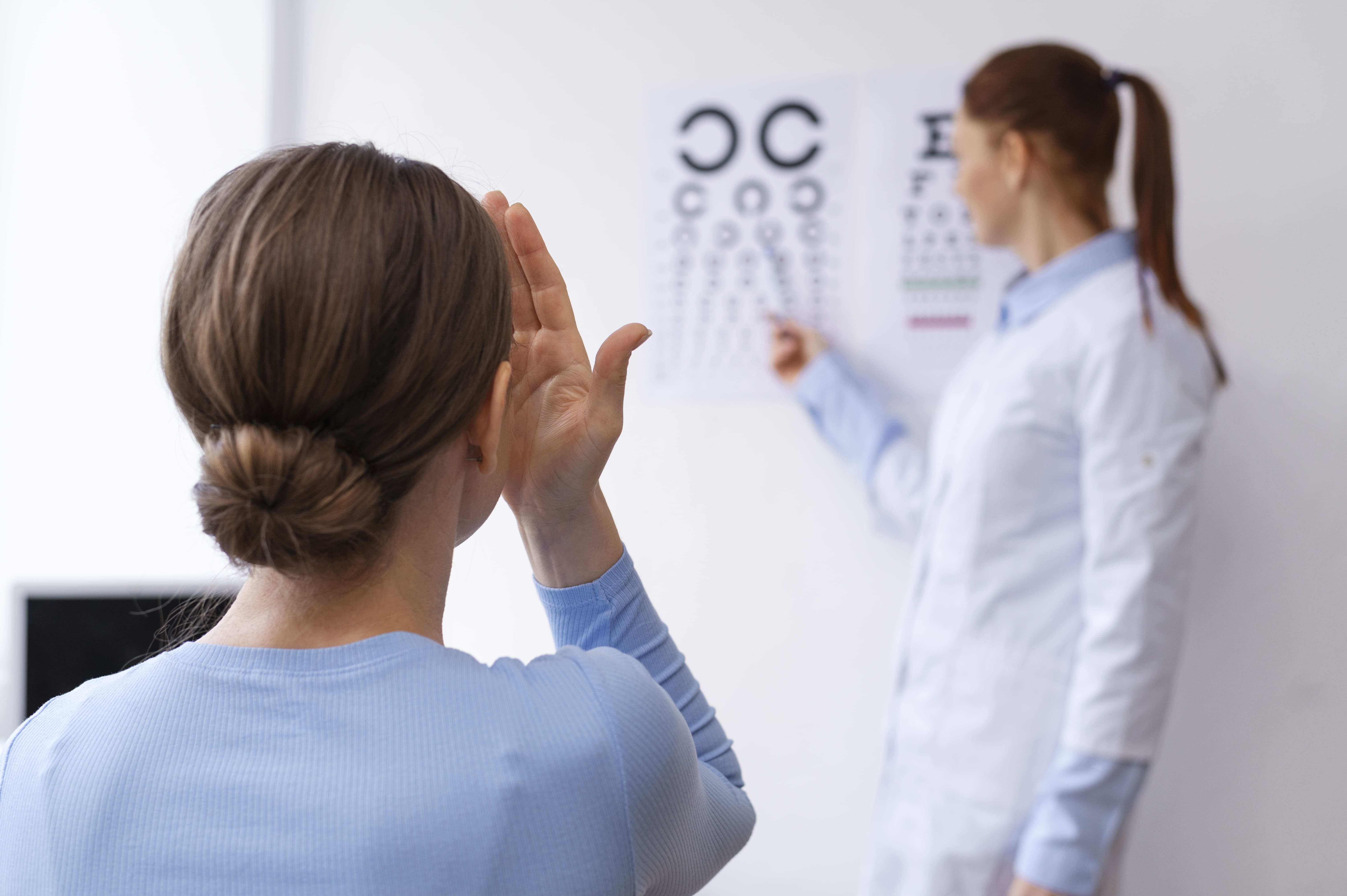
How to Differentiate Between Vision Issues and Dyslexia
A comprehensive functional vision exam is essential in determining whether the root cause of the symptoms is vision-related. Some individuals may have both dyslexia and a vision disorder. In such cases, vision therapy should be integrated into a multidisciplinary approach that includes educational support and counseling to address all aspects of learning challenges.
Why choose Nandadeep Eye Hospital
-
46+ Years of
Experience
-
Over 300,000
Successful Surgeries
- Advanced Eye Technology
- Expert Ophthalmologists
- Lifetime Support and Follow-up Care
Signs and Symptoms of Dyslexia in Children and Adults
There are several overlapping symptoms between vision problems and dyslexia. These include difficulties with eye tracking, eye coordination, and visual perception. Individuals may struggle to follow lines of text, experience words appearing to move on the page, or even see letters reversed.
- Difficulty recognising letters and connecting letters with their sounds.
- Slow or effortful reading or needing to reread sentences to understand them.
- Frequent spelling mistakes and difficulty learning or remembering new words.
- Confusing similar-looking or similar-sounding words.
- Difficulty reading aloud or following written instructions.
- Difficulty organising written information or completing reading-intensive tasks.
- Taking longer to complete school, college, or work-related reading and writing activities.
- Avoiding reading aloud or activities that involve extensive reading.
- Becoming frustrated with reading, writing, or schoolwork.
- Experiencing difficulties with written communication at school, college, or work.
Meet Our SpecialistsBook your consultation with eye specialist
Optom Sayan Mukherjee
B.Optom., M. Optom. Consultant Optometrist, Vision Therapy, Speciality Contact lens