Myopia (Nearsightedness)

Causes, Symptoms, and Treatment Options

What is Myopia?

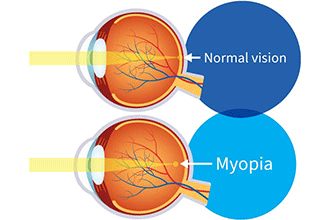
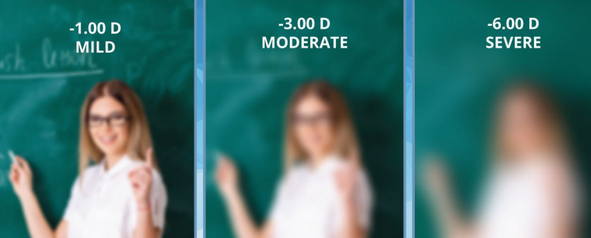
Myopia, commonly known as nearsightedness, is a common eye condition in which nearby objects are seen clearly while distant objects appear blurred. It occurs when the eyeball grows too long or the cornea is too curved, causing light to focus in front of the retina instead of directly on it. Myopia can affect both children and adults and often develops during school-age years.

The prevalence of childhood myopia is increasing worldwide due to factors such as genetics, increased screen time, and reduced outdoor activities. Early diagnosis and proper myopia control treatment are important to slow its progression and reduce the risk of developing high myopia and other vision-threatening eye conditions later in life.

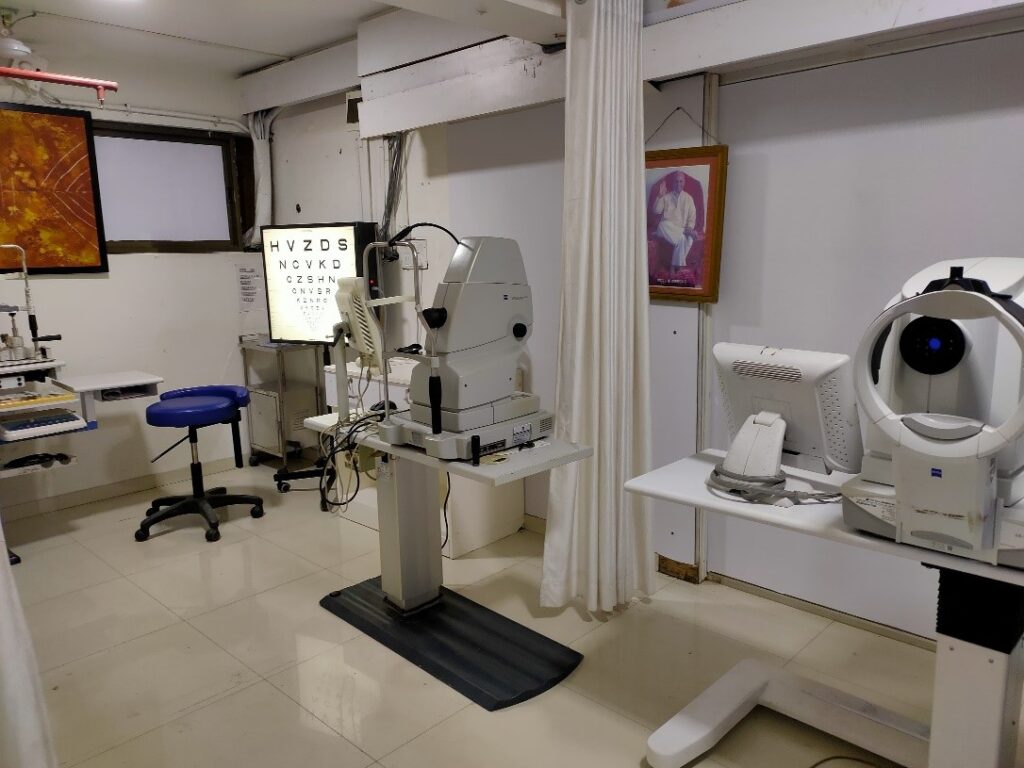
myopia Clinc Instrumnets

Myopia Treatment for Children and Teens

Are you worried about increasing your child’s minus number (Myopia)? Myopia (short-sightedness) is becoming more common among children in India, affecting their ability to see distant objects clearly. Left untreated, it can worsen over time and lead to serious eye problems like cataracts, glaucoma, lazy eye (amblyopia), and retinal complications in the future. At Nandadeep Eye Hospital, we specialize in myopia treatment for children and teens and offer practical solutions to slow down the progression of myopia and protect your child’s vision.

As myopia progresses, it not only affects your child’s ability to see distant objects but can also impact their academic performance, social interactions, and overall well-being. The earlier myopia is detected and managed, the more effective the treatment will be in slowing down its progression. Without proper intervention, children with high myopia are at an increased risk of developing serious eye complications later in life. That’s why early management is critical. We offer comprehensive eye care solutions specifically designed to address myopia in children, helping protect their vision and ensure a brighter, clearer future.


Why Is My Child’s Minus Number Increasing?

The “minus number” or negative prescription in eyeglasses refers to myopia. If your child’s minus number keeps increasing, it could be due to factors like:
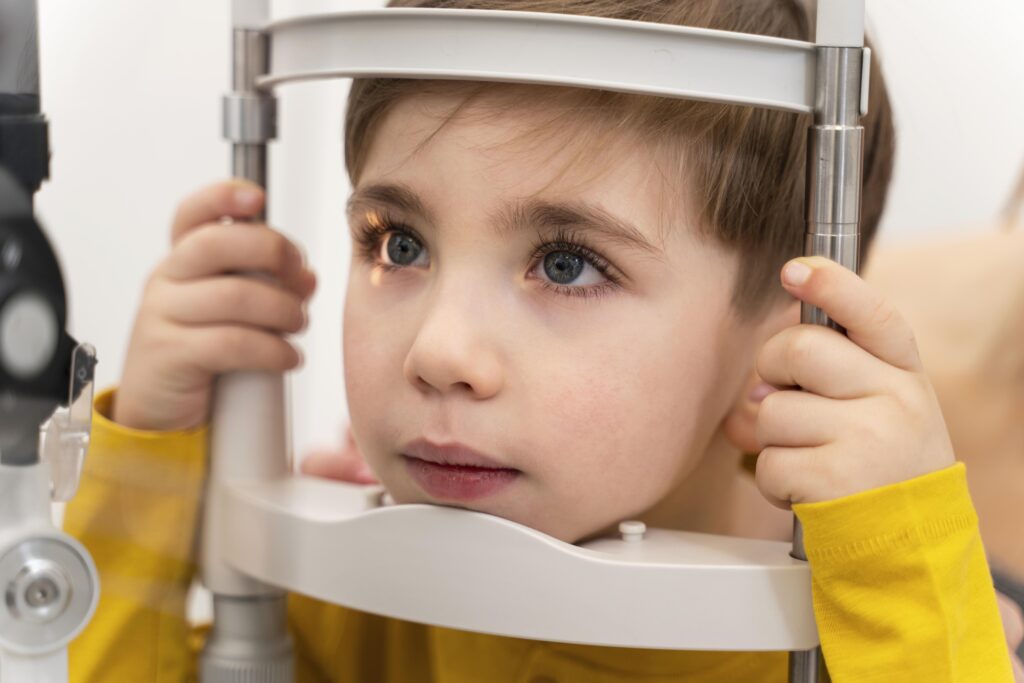
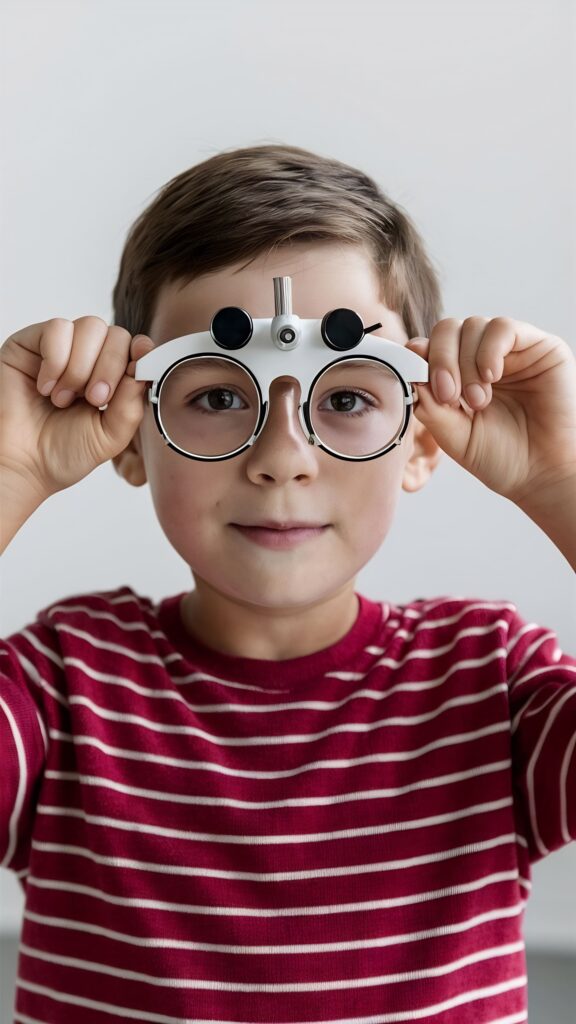
Little boy eyes consult

Myopia can be caused by

Myopic progression

Myopic progression refers to the gradual worsening of nearsightedness (myopia) over time.

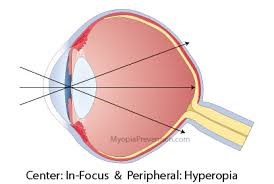
It is caused by something known as peripheral defocus, it refers to the blurry focus of light rays that fall on the outer edges of the retina (the peripheral retina) rather than on the central fovea. This phenomenon occurs primarily in myopic eyes, which have an elongated shape. When light rays focus behind the retina in the peripheral area, biochemical signals are triggered, leading to further elongation of the eye. This elongation contributes to the progression of myopia, where distant objects appear blurry due to the altered eye shape.

Why Progressive Myopia Is a Concern

Progressive myopia can lead to a condition known as high myopia. High myopia is characterized by severe nearsightedness, where distant objects appear blurry. The medical term for high myopia is important because it increases the risk of serious eye problems in adulthood. Here are some key points:

Managing Progressive Myopia

Nandadeep Refractive Surgery Centre distinguishes itself from other hospitals in Southern Maharashtra with several unique features:

Regular eye exam

Regular Eye Exams

Annual eye exams are essential to monitor myopia progression and adjust prescriptions as needed.

Outdoor Time

Outdoor Time

Encourage children to spend time outdoors, as it may help slow myopia progression.

astigmatism_8034396

Myopia Control

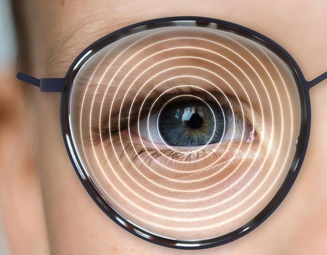
Various methods, such as orthokeratology (ortho-k) contact lenses, atropine eye drops, and multifocal soft contact lenses, can help slow down myopia progression.

Signs and Symptoms of Progressive Myopia

childhood myopia diagnose test

Instruments in our clinic

IOLMaster

IOLMaster

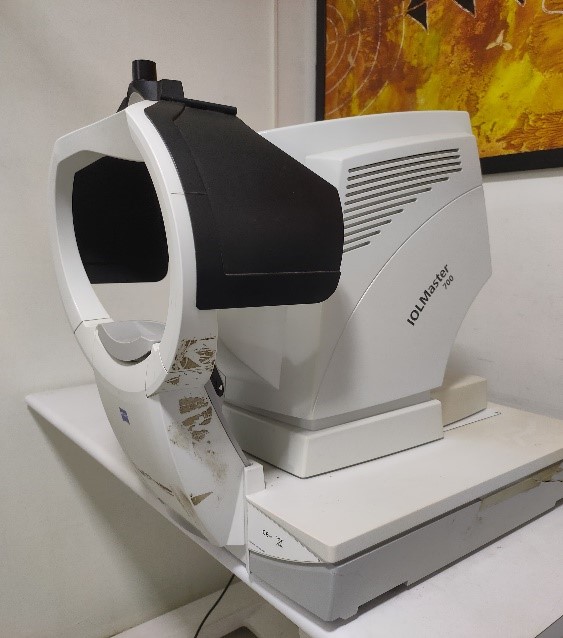
In myopia clinics, the IOLMaster helps determine the change in the length of the eye ball also helps to keep track if there is any progression of length.

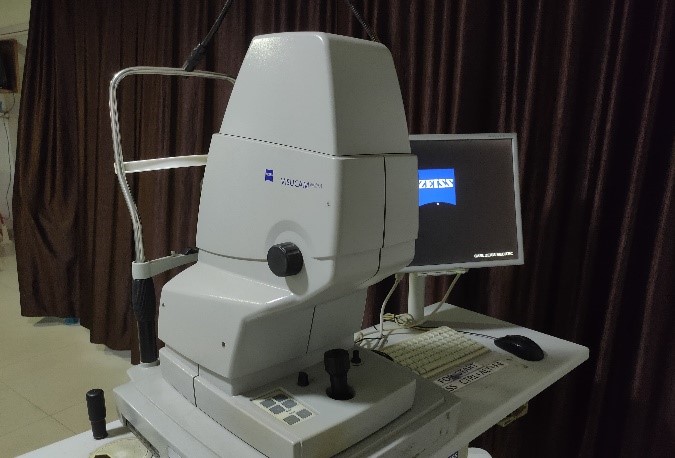
Fundus Camera

Fundus Camera

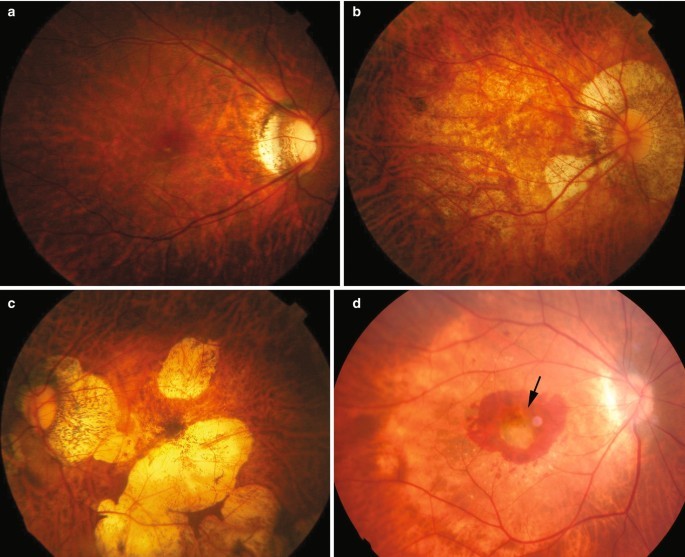
A fundus camera captures detailed images of the retina,  which is the back portion of the eye. It helps to check if myopia is affecting the integrity of the retina.

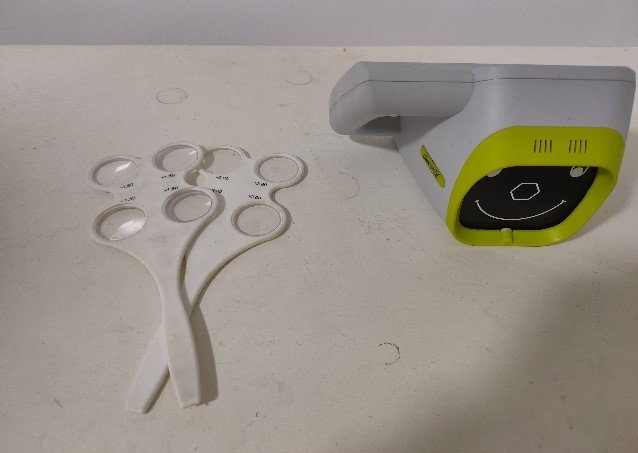
Plusoptix

Plusoptix

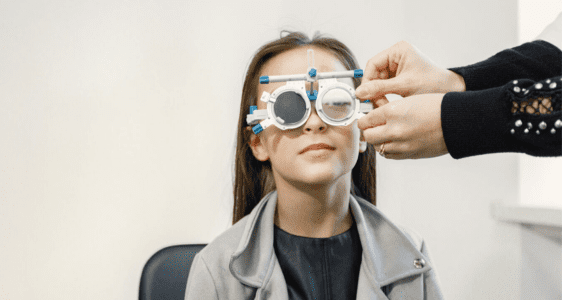
Used for detecting refractive errors (myopia, hyperopia, astigmatism) in children. And to monitor the changes in the power of the eye.

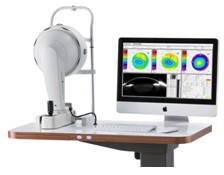
Pentacam (Corneal Tomography)

Pentacam (Corneal Tomography)

The Pentacam provides comprehensive corneal tomography, assessing both anterior and posterior corneal surfaces.

Treatment Options for Progressive Myopia

Our Myopia Experts

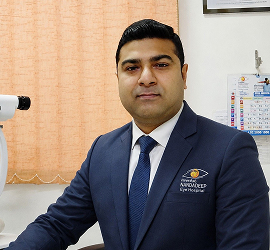
Dr. Sourabh D. Patwardhan Phaco-Refractive Vitreoretina- Glaucoma specialist FRCS (UK), MS (AIIMS), DNB, MNAMS, FICO

Dr. Sourabh D. Patwardhan

Phaco-Refractive-Vitreoretina- Glaucoma specialist FRCS (UK), MS (AIIMS), DNB, MNAMS, FICO

Optom Sayan Mukherjee B.Optom. (WBU) , M. Optom. (NIMS, Rajasthan)

Optom Sayan Mukherjee

B.Optom., M. Optom. Consultant Optometrist, Vision Therapy, Speciality Contact lens